House Refurbishments to Increase Value: Get the Most from Your Home
When selling your home or increasing its rental value, strategic house refurbishments to increase value can be the difference. Homeowners often ask which home improvements give the best return on investment. Not all home improvements are created equal so if you’re looking to sell your house in the near future, ask the question ‘what home improvements will add the most value for prospective buyers?’.
In this article we’ll look into the most desirable house improvements to potential buyers and how they can increase the average price of your home.
1. Add Space
One of the best ways to add value to your home is to add additional living space. Extra space such as a loft conversion, garage conversion or basement conversion can be a big selling point for buyers and increase your property value. These projects are flexible the future homeowners can use the living space indoors in a variety of ways, for example, creating a new bedroom, an office or even a playroom which appeals to a wide range of buyers.
2. Kitchen Renovations
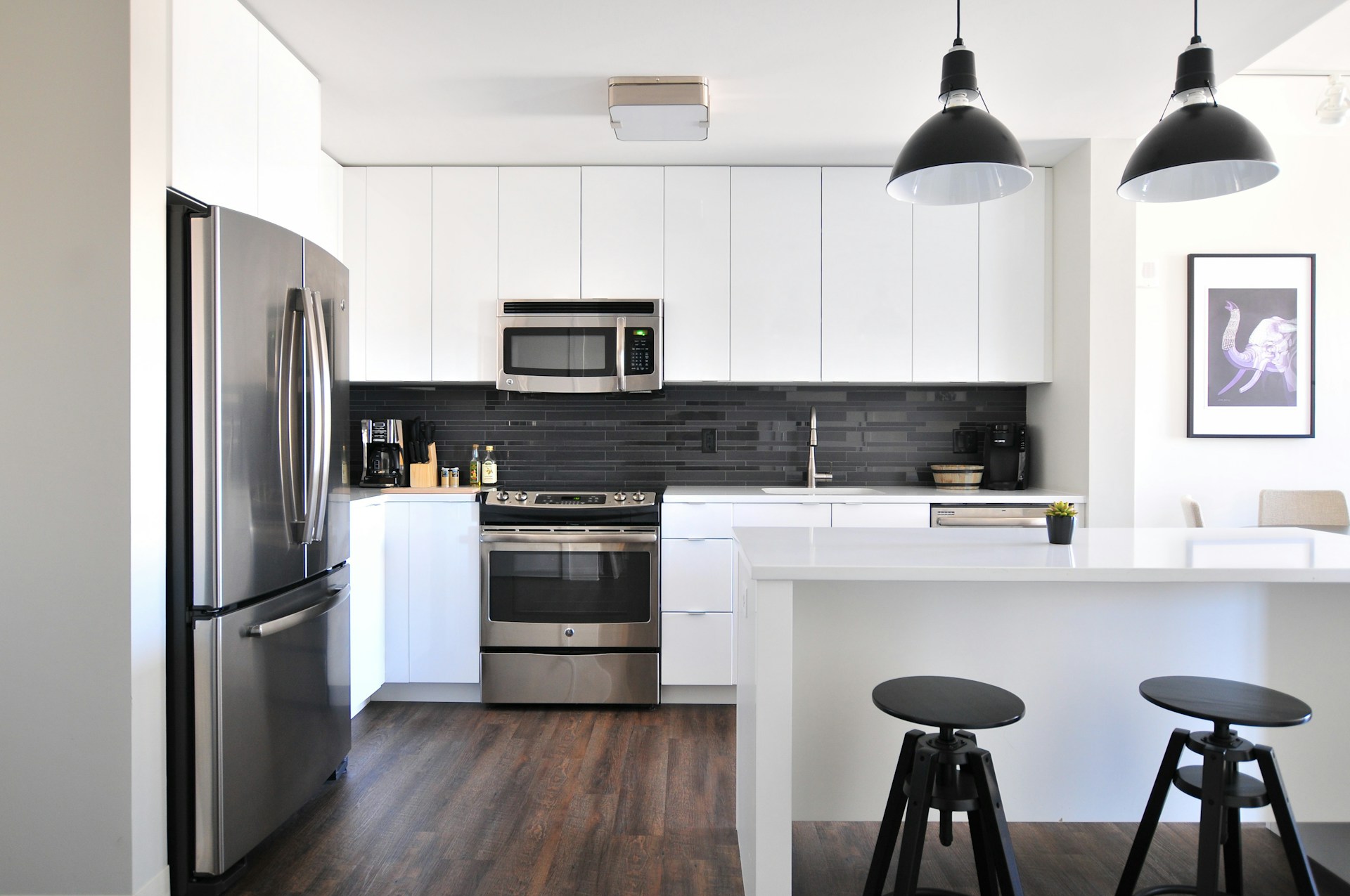
A well done kitchen renovation can add significant value to your home. Upgrading to energy efficient appliances, changing cabinet doors or even a minor kitchen refresh can modernise the space without breaking the bank. Updated kitchen and bathroom fixtures, new countertops and smart lighting will give the space a more modern feel. According to the National Association of Remodelling Industry, a kitchen renovation will increase the selling price if done well.
3. Bathroom Renovation
Next to the kitchen, bathroom renovations are top of the list to add value to your home. Simple changes like a walk-in shower or fixing bathroom limescale can make a big difference. Adding an en-suite bathroom will increase house value and convenience for potential buyers. Modern bathroom features like smart shower systems, stylish vanities and updated fixtures will appeal to today’s tech savvy buyers.
4. Outdoor Spaces and Curb Appeal
First impressions count and your house exterior can greatly impact your home’s curb appeal. Peeling paint dirty walls or a worn out garage door can be off putting for buyers. A fresh coat of paint, a new front door or even double glazing can be a big selling point. Enhancing your outdoor space with landscaping, decking or even a swimming pool can also increase the resale value of your home especially in areas where outdoor living is key.
5. Smart Home Technology
Smart home tech is becoming a big selling point. Features like smart lighting, automated blinds or energy efficient thermostats not only add to the home’s appeal but also reduce utility bills – a key consideration for eco-conscious buyers. Energy efficient windows, solar panels and other eco friendly upgrades are valuable and will add to your home’s value.
6. Energy Efficiency Upgrades
Energy efficiency upgrades are top of the list of value adding projects. Double glazing, energy efficient appliances and solar panels will increase your home’s appeal and reduce energy bills for the new buyer. This lower utility bill potential is a big selling point and will give you an even better ROI.
7. Structural Changes
Structural changes like a double storey extension, single storey extension or garage conversion can add space and value to your home. Adding more rooms especially bedrooms and bathrooms will impact how much your home is worth. Note that these home improvement projects will require planning permission and must comply with building regulations.
8. Home Maintenance Projects
Basic home maintenance tasks like freshening up paint and fixing structural damage can go a long way in maintaining or increasing your home’s value. Replacing old appliances, cleaning up bathroom limescale and fixing small imperfections will show that your home has been well looked after which is attractive to buyers.
9. Increasing Home Value Through Small Fixes
Smaller changes like updating your garage door, swapping out kitchen cabinet handles or installing smart home tech can improve your home’s overall look without breaking the bank. Replacing old appliances or going eco friendly can add modernity and efficiency – two key factors to increase house value.
10. Renovation Costs vs Value
The ultimate question homeowners ask is, “How much value will this home renovation add?” Projects like kitchen renovations, bathroom updates and loft conversions will give you the biggest value, while more niche projects like swimming pools may not give the same return in all areas. You need to consider what buyers in your area want – an estate agent can help you with that.
What Can Reduce Your House Value?
While strategic home improvements can increase your house value, some things can have the opposite effect and reduce your property value. Here are the common mistakes and issues to watch out for that can decrease your home’s resale value.
1. DIY Disasters
Homeowners do DIY home renovations to save money. But poor quality work can harm your home’s appeal. Badly finished renovations like sloppy paint jobs, poorly installed fixtures or uneven flooring can make buyers question the overall structure of your home. This can not only lower the house value but also lead to building regulations breaches, further reducing your home’s marketability.
2. Outdated Features and Appliances
Replacing outdated appliances can increase resale value but not upgrading old inefficient systems will hurt your home’s appeal. Buyers today are looking for energy efficient appliances and modern smart home tech. Old kitchens with outdated appliances or a bathroom with worn out fixtures like limescale build up in the bathroom can be a turn off for buyers who will view these as extra expense they’ll have to deal with after purchase.
3. Over Personalisation
While it’s tempting to personalise your home to your taste, over personalisation can limit your buyer pool. Bold design choices, niche features or unconventional layout can make it hard for potential buyers to see themselves in the space. For example, installing a highly styled pool or quirky architectural features may not be what most buyers are looking for thus reducing your home’s value.
4. Neglecting Curb Appeal
Your home’s exterior is just as important as its interior. Neglecting curb appeal by having peeling paint, dirty walls, an unkempt lawn or a worn out front door can detract from your home’s overall impression. First impressions matter and potential buyers will assume if the exterior is not well maintained, the interior must be too. This can lead to a lower selling price or no buyer at all.
5. Illegal Renovations or No Planning Permission
Any renovations done without planning permission or not meeting building regulations can significantly lower your home’s value. Unpermitted work can lead to legal issues and financial penalties and buyers may back out of the deal if they find out that your home improvement project was not done according to regulations. This is more true for big projects like loft conversion, garage conversion or any single storey extension.
6. Poor Layout Changes
Making layout changes that reduce living space or create awkward traffic flow can harm your home’s functionality and value. For example, converting a bedroom into a smaller office or removing a bathroom may add a temporary function but will decrease the number of rooms – key selling points that can significantly lower house value. Buyers want a home with a practical layout and enough living space for their needs.
7. Ignoring Energy Efficiency
While energy efficient appliances and features like double glazing and solar panels can increase your home’s value, not doing so can have the opposite effect. Buyers are looking for homes that are energy efficient to save on utility bills and reduce their carbon footprint. A home with poor insulation, drafty windows and old HVAC systems can be seen as less desirable, thus lower resale value.
8. Poor Maintenance and Neglect
Basic maintenance is key to maintaining your home’s value. Ignoring issues like leaks, faulty wiring or structural damage can lead to bigger and more costly problems down the line. Not addressing visible damage like peeling paint, broken windows or cracks on the wall can be an immediate turn off for potential buyers who will view these as signs of neglect and underestimate the true value of the home.
9. Outdated Décor and Unappealing Aesthetics
Styles change and an outdated home can lose its competitive edge in the market. Outdated appliances, old fashioned tiles or flooring that’s no longer in style can be a turn off. Keeping your home up to date with modern kitchen and bathroom fixtures, fresh paint and contemporary design can help maintain or increase your home’s value.
10. Overextending on Luxury Features
Installing high end luxury features like a swimming pool, jacuzzi or high tech home theatre may seem like a good way to add value to your home but in some markets these features may not give you a return on investment. In fact they may even decrease the value of your home especially if potential buyers see them as unnecessary or expensive to maintain.
Summary
When it comes to home renovations to increase value, you need to think about your budget, what buyers want and what’s trending. Whether you’re doing renovations for yourself or preparing to sell, every home improvement project should be about adding value to your home and increasing its resale value. From double glazing to a new kitchen renovation, every renovation will help you get the best out of your home when you sell.