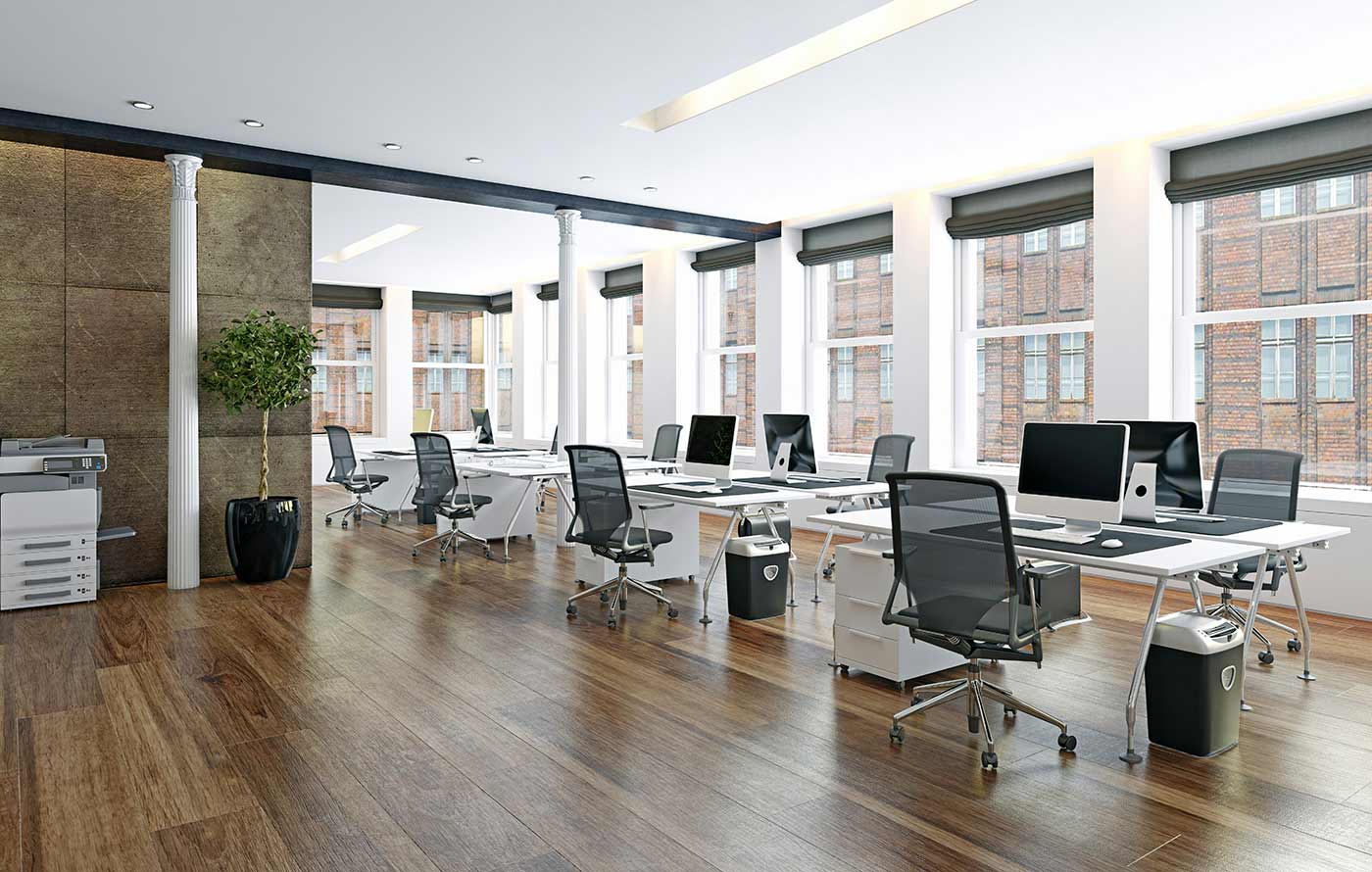
How to select the perfect commercial flooring
The Complete Guide to Commercial Flooring
Choosing the right flooring for commercial spaces is a big decision that affects everything from daily operations to long term maintenance costs. Unlike residential flooring, commercial spaces face unique challenges like heavy foot traffic, potential spills, safety regulations and the need to look professional for many years. This comprehensive guide will help you navigate the complex process of choosing commercial flooring that meets your needs.
Understanding Your Space
Before you start looking at flooring options, you need to conduct a thorough assessment of your commercial space. Different areas within the same building may require different flooring solutions based on their function and traffic patterns.
Traffic Analysis High traffic areas like lobbies, corridors and retail spaces need flooring that can withstand constant use without showing too much wear. Medium traffic zones like offices and conference rooms need durability but may prioritise comfort and acoustics. Low traffic areas like storage rooms or private offices can accommodate a wider range of flooring with less emphasis on extreme durability.
Environmental Considerations Consider the environmental conditions your flooring will face. Areas prone to moisture like kitchens, bathrooms or entry points need water resistant flooring. Spaces with potential chemical exposure need flooring that can resist stains and corrosion. Temperature fluctuations especially in warehouses or spaces with large windows may affect certain flooring more than others.
Safety and Compliance Requirements Commercial spaces must comply with various safety regulations including slip resistance standards, fire safety codes and accessibility requirements. Some industries have specific flooring requirements – healthcare facilities need antimicrobial properties, food service areas require easy sanitization and manufacturing spaces may need anti-static or chemical resistant flooring.
Types of Commercial Flooring
Carpet Tiles and Broadloom
Carpet is still a popular choice for offices, hotels and retail spaces due to its comfort, sound absorption and design versatility. Modern commercial carpets have come a long way in terms of stain resistance and durability compared to older products.
Pros:
- Excellent sound absorption, reduces noise in busy areas
- Comfort underfoot, reduces fatigue for employees who stand for long periods
- Wide range of colours, patterns and textures available
- Carpet tiles allow for easy replacement of damaged sections
- Good insulation properties, may reduce heating costs
Cons:
- Requires regular professional cleaning to maintain appearance
- Can harbour allergens and bacteria if not properly maintained
- Not suitable for areas prone to spills or moisture
- May show wear patterns in high traffic areas over time. Luxury Vinyl Tile (LVT) and Luxury Vinyl Plank (LVP)
Luxury vinyl has transformed commercial flooring with its combination of durability, aesthetic appeal and affordability. Modern luxury vinyl can convincingly mimic wood, stone or ceramic appearances while offering better performance characteristics.
Pros:
- Highly water resistant, suitable for areas with occasional moisture
- Easy to clean and maintain
- Comfortable underfoot with good sound absorption
- Available in many designs that mimic natural materials
- Installation is typically faster and less disruptive than traditional materials
- Good durability for most commercial applications
Cons:
- Not suitable for extremely heavy duty industrial applications
- Can be damaged by sharp objects or extreme heat
- Quality varies between manufacturers
- Some products may have strong odours when first installed
Ceramic and Porcelain Tile
Tile flooring is unbeatable in terms of durability and is ideal for high traffic areas, wet environments and spaces that require easy sanitization. Modern tiles come in a wide range of sizes, colours and finishes.
Pros:
- Extremely durable and long lasting
- Water resistant and easy to clean
- Available in many styles, including options that mimic wood or stone
- Suitable for indoor and outdoor applications
- Fire resistant and environmentally stable
Cons:
- Hard surface can be uncomfortable for prolonged standing
- Can be slippery when wet unless textured surfaces are chosen
- Grout lines may require regular maintenance
- Installation can be time consuming and expensive
- Cold to the touch which may be uncomfortable in some environments
Natural Stone
Stone flooring, including marble, granite, limestone and slate provides unparalleled elegance and durability for high end commercial spaces.
Pros:
- Extremely durable and long lasting
- Unique natural beauty and prestige
- Increases property value
- Cool surface is beneficial in warm climates
- Can be refinished rather than replaced
Cons:
- High initial cost and installation complexity
- Requires regular sealing and maintenance
- Some stones are porous and can stain
- Heavy weight may require structural considerations
- Cold and hard surface may be uncomfortable
Hardwood and Engineered Wood
Wood flooring brings warmth and sophistication to commercial spaces but requires careful consideration of the environment and usage patterns.
Pros:
- Attractive, warm appearance that ages well
- Can be refinished multiple times
- Good insulation properties
- Sustainable when sourced responsibly
- Increases property valueThings to Consider:
- Water damage and humidity changes
- Maintenance and refinishing required
- Scratches and dents from heavy use
- Higher cost than many options
- Not suitable for all commercial spaces
Concrete
Concrete has become popular in modern commercial spaces for its industrial look and practical benefits.
Pros:
- Very durable and long lasting
- Low maintenance
- Thermal mass properties
- Environmentally friendly
- Can add decorative elements like aggregates or stains
- Cost effective for large areas
Cons:
- Hard surface uncomfortable for standing
- Slippery when wet
- Professional installation and finishing required
- Difficult to repair if damaged
- Cold surface uncomfortable in some climates
Epoxy and Resin
Seamless flooring systems for industrial, healthcare and food service where hygiene and chemical resistance is key.
Pros:
- Seamless surface prevents bacteria accumulation
- Highly resistant to chemicals and stains
- Easy to clean and sanitise
- Many colours and finishes available
- Anti-slip additives available
- Quick installation
Cons:
- Slippery when wet unless textured
- May yellow over time with UV exposure
- Professional installation required
- Difficult to repair if damaged
- Strong odours during installation
Key Decision Factors
Durability and Maintenance
Commercial flooring lifespan depends on material quality and maintenance. Consider not just the initial cost but the total cost of ownership over the flooring’s life. This includes cleaning, maintenance and replacement costs.
Durability ratings are often expressed as wear resistance with different classifications for light, moderate and heavy commercial use. But these ratings should be considered with your specific usage and maintenance capabilities.
Aesthetics and Brand Image
Your flooring choice impacts how your business is perceived. A law firm might choose hardwood or stone for stability and success, a tech startup might choose concrete for modern and innovative. Consider how your flooring choice aligns with your brand and your clients or customers expectations.
Colour and pattern choices can also affect the perceived size of spaces, lighter colours make spaces appear larger and darker colours more intimate. Consider how different lighting conditions throughout the day will affect your chosen flooring.
Budget
Commercial flooring costs vary greatly, not just in initial purchase price but in installation, maintenance and replacement costs. When budgeting consider the following cost components:
Initial Costs:
- Material cost per square foot
- Installation labour and preparation work
- Subfloor preparation or repair
- Transition strips and trim work
- Furniture moving and workspace disruption
Ongoing Costs:
- Regular cleaning and maintenance
- Periodic deep cleaning or refinishing
- Replacement of damaged sections
- Lost productivity during maintenance periods
Long-term Costs:
- Complete replacement timeline
- Changes in maintenance requirements as flooring ages
- Impact on property value
Installation Timeline and Disruption
Consider how flooring installation will affect your business. Some materials require lengthy installation processes, strong adhesives with curing times or multiple coats that extend the timeline. Plan for the business disruption that comes with flooring installation, furniture moving, workspace relocation and potential odours or noise.
Working with Professional Flooring Contractors
Choosing the right flooring contractor is often as important as choosing the right material. Professional installation can make the difference between flooring that lasts for decades and flooring that fails prematurely.
What to Look for in a Flooring Contractor
Experience and Specialisation Look for contractors with extensive experience in commercial projects like yours. Different types of commercial spaces have unique requirements and experienced contractors will understand the specific challenges and solutions for your industry.
Licensing and Insurance Ensure your contractor is licensed for commercial work and has adequate insurance coverage. This protects you from liability and ensures the contractor meets professional standards.
References and Portfolio Request references from recent commercial projects and take the time to contact them. A reputable contractor should be proud to show examples of their work and provide contact information for satisfied customers.
Detailed Estimates and Specifications Professional contractors provide detailed written estimates that specify materials, installation methods, timeline and warranties. Be wary of contractors who provide vague estimates or pressure you to sign immediately.
The Installation Process
Professional installation begins with a thorough assessment of the existing subfloor and space conditions. This may reveal issues that need to be addressed before installation can proceed, such as moisture problems, uneven surfaces or structural concerns.
Quality installation involves proper subfloor preparation which may include cleaning, levelling, priming or moisture barrier installation. The contractor should follow manufacturer specifications for adhesives, expansion joints and acclimation times.Post installation services should include clean up, final inspection and care instructions. Many contractors offer maintenance services or can recommend the right care products and procedures.
Case Study: Nova Flooring’s Approach
Nova Flooring based in Cardiff demonstrate many best practices in commercial flooring installation. Their approach starts with a comprehensive site assessment, including measurements, subfloor evaluation and discussion of specific business needs and timelines.
They stress the importance of understanding each client’s unique requirements, whether it’s a retail space that needs to maintain operations during installation, an office that requires minimal disruption to daily work or an industrial facility with specific safety and performance requirements.
Nova Flooring’s process includes detailed project planning with clear timelines and communication protocols to minimise business disruption. They work with a wide range of commercial flooring materials and can advise on material selection based on specific use cases and budgetary requirements.
Their portfolio includes various commercial projects throughout the Cardiff area, from office buildings and retail spaces to healthcare facilities and educational institutions. This diverse experience allows them to understand the unique challenges different types of commercial spaces present.
Maintenance and Long-term Care
Proper maintenance is key to maximising the lifespan and performance of commercial flooring. Different materials have different maintenance requirements and understanding these requirements upfront is essential for budgeting and planning.
Developing a Maintenance Program
Daily Maintenance Most commercial flooring benefits from daily cleaning to remove dirt and debris that can cause premature wear. This typically involves sweeping or vacuuming and spot cleaning of spills or stains.
Periodic Deep Cleaning Depending on the material, periodic deep cleaning may involve professional carpet cleaning, tile and grout cleaning, hardwood refinishing or special treatments for luxury vinyl or other synthetic materials.
Preventive Measures Entrance mats, furniture pads and regular maintenance of HVAC systems can extend flooring life significantly. Many flooring failures are caused by preventable issues like excessive moisture, inadequate climate control or lack of protection from furniture movement.
Budgeting for Maintenance
Include ongoing maintenance costs in your initial flooring selection process. Materials with higher upfront costs may have lower maintenance requirements while budget materials may require more frequent care or earlier replacement.
Consider establishing relationships with professional cleaning and maintenance services early in your flooring’s life. Regular professional maintenance can prevent many issues that lead to premature replacement.
Environmental and Sustainability Considerations
Modern commercial spaces are increasingly focused on environmental sustainability, both for corporate responsibility and potential cost savings through green building certifications.
Sustainable Material Options
Many flooring materials now offer eco friendly options including recycled content, low emission adhesives and sustainably harvested raw materials. Carpet tiles often include recycled content and may offer take back programs for end of life recycling.
Luxury vinyl products increasingly use recycled content and phthalate free formulations. Some manufacturers offer products with environmental certifications like FloorScore or Greenguard.
Natural materials like wood and stone can be a sustainable choice when sourced responsibly and their longevity reduces replacement frequency.
Indoor Air Quality
Commercial spaces need to maintain good indoor air quality for employee health and productivity. Low emission flooring materials and adhesives contribute to better air quality especially in spaces with limited ventilation.
Consider the off gassing of different materials especially in sensitive environments like healthcare facilities or schools. Many modern flooring products meet strict indoor air quality standards.
Making Your Decision
Selecting commercial flooring involves balancing multiple factors including performance requirements, aesthetic goals, budget constraints and maintenance capabilities. The right choice for your space depends on your specific needs and constraints.
Create a decision matrix that weights different factors according to their importance to your business. For example a restaurant might prioritise water resistance and easy cleaning over sound absorption while an office might prioritise comfort and acoustics over extreme durability.
Consider the long term implications of your choice including how well the flooring will age, how changes in your business might affect flooring needs and how the choice might impact property value.
Don’t hesitate to consult with multiple contractors and material suppliers to ensure you have all the information you need about your options. The initial time investment in research and planning will pay dividends in long term satisfaction and performance.
Commercial flooring selection is a complex decision that impacts your business environment, operational costs and professional image. By understanding your specific requirements, researching your options thoroughly and working with experienced professionals you can choose flooring that serves your business well for many years.
Remember the lowest initial cost is rarely the best value in commercial applications. Focus on total cost of ownership including maintenance, durability and replacement costs when making your decision.
Whether you choose carpet for comfort and sound absorption, luxury vinyl for versatility and ease of maintenance, tile for durability and hygiene or any other option, proper planning and professional installation is key to getting the best out of your investment.
The flooring industry is constantly changing with new products and technologies that offer better performance, sustainability and design. Keep up to date with flooring technology as new options become available.
Work with local contractors who know your market and regulatory environment to get valuable insights and ensure your flooring project meets all the requirements while delivering what your business needs.