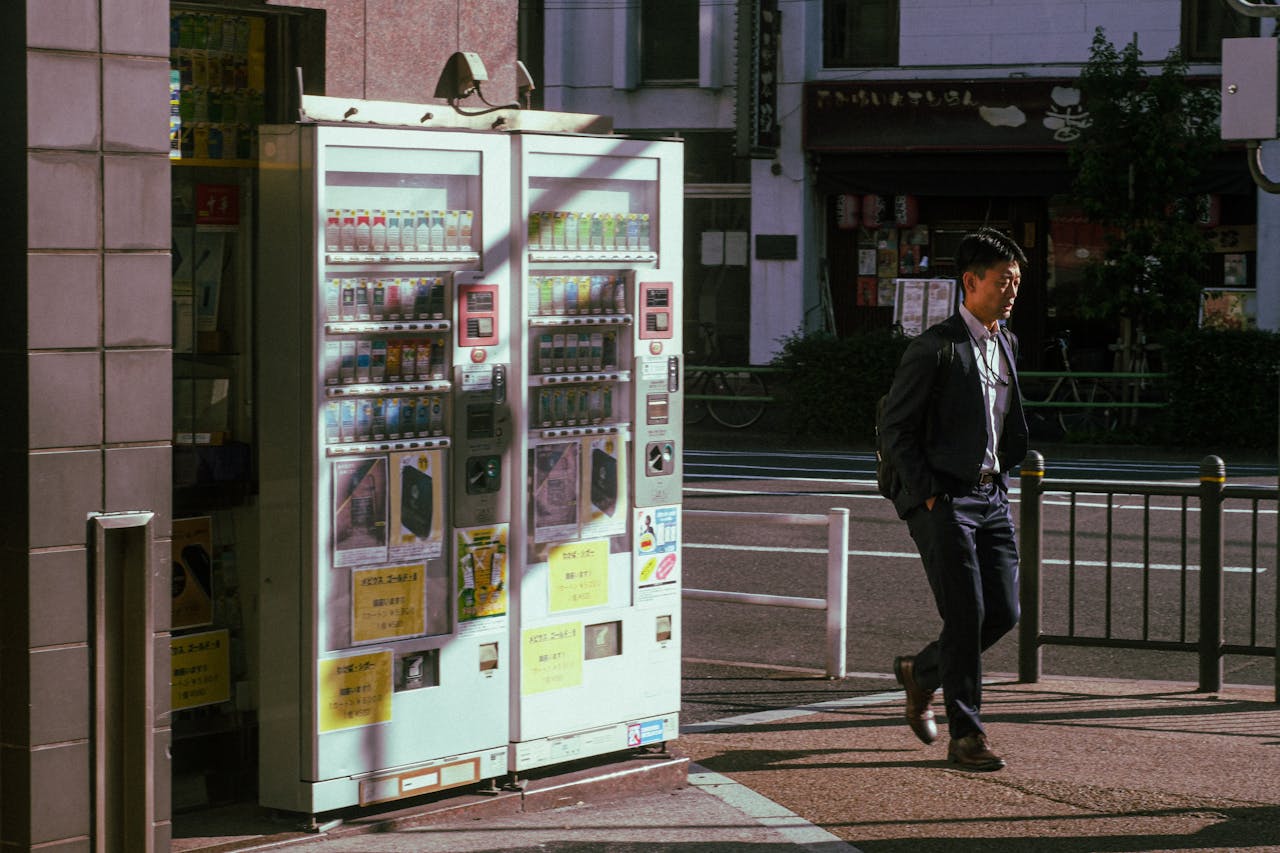
Vending Machines: What Do They Do?
Vending machines have become an integral element of modern civilisation. These machines, which may be found in office buildings, retail malls, and even on street corners, provide a simple method to buy a wide range of items, including food and beverages, gadgets, and cosmetics.
In this complete guide, we’ll look at how vending machines function, their advantages, the issues they face, and potential future developments that might transform the vending machine business.
The Mechanism of Vending Machines
1. Core Components:
Payment Interface: Vending machines are outfitted with a payment interface that takes a variety of payment methods, including coins, bills, credit/debit cards, and, increasingly, contactless payments such as NFC technology, which allows purchases via smartphones or contactless cards.
Product Dispenser: Once payment is confirmed, the product dispenser mechanism is triggered. Depending on the product, this may be spirals spinning to drop objects, hoover arms for fragile goods or conveyor belts for bigger products.
Keypad or Touchscreen: Older versions utilise keypads for selection, with the buyer pressing keys that match to the product code. Newer models have touchscreens, which allow for more interactive options and can show nutritional information or commercial content.
2. How it works:
When a consumer inputs money or makes a digital payment, the machine’s electronic control system checks the transaction and prompts the user to pick an option.
- The consumer picks a product using the keyboard or touchscreen.
- The machine’s internal system processes the selection and activates the appropriate dispensing mechanism.
- A delivery system then makes the product available to the user, either by dropping it into an accessible compartment or displaying it via an aperture.
Benefits of Vending Machines
1. Convenience:
Vending machines are available 24 hours a day, seven days a week, making them an ideal choice for customers who need a quick snack or an important item at any time.
Transactions are rapid, typically lasting only a few seconds from the time payment is received to the product being dispensed.
2. Low overhead for operators:
Vending machines require minimum staffing, which drastically reduces labour expenses. They are also quite simple to maintain, with the major requirements being frequent replenishing and periodic servicing.
3. Wider Reach:
Vending machines may be installed in almost any area where there is foot activity, allowing businesses to expand their reach without investing heavily in new facilities.
4. Flexibility:
Modern vending machines may deliver nearly anything, from hot meals to electrical devices, giving operators a wide range of commercial prospects.
Challenges in the Vending Machine Industry:
1. Vandalism and Security
Vending machines are vulnerable to vandalism and theft, particularly those placed in unmonitored or remote regions. Advanced security measures, such as strong building materials, alarm systems, and surveillance cameras, are required to offset these threats.
2. Maintenance and Reliability
To ensure client pleasure, vending machines must be in good operating order. Frequent breakdowns might deter users and undermine the operator’s image.
3. Changes in Consumer Preferences:
As customers become more health conscious, there is a rising desire for better vending machine alternatives. Operators must react by providing a more diverse selection of healthful snacks, beverages, and even fresh meal alternatives.
Future Trends in Vending Machine Technology.
1. Smart vending machines:
The incorporation of IoT technologies enables smarter operations. These smart vending machines can manage inventory in real time, optimise restocking routes and timetables, and give operators with precise sales data.
2. Customisation and personalisation:
Future vending machines may provide more personalised experiences, such as remembering individual preferences and recommending items based on previous purchases.
3. Increased interactivity:
Touchscreens may display not only product information, but also interactive advertisements and entertainment alternatives, transforming the vending machine into a multipurpose retail outlet.
4. Environmentally Friendly Innovations:
With rising environmental consciousness, eco-friendly vending machines that use solar power or biodegradable packaging may become increasingly common.
Conclusion
Vending machines provide a unique combination of convenience, efficiency, and variety, making them an indispensable component of the retail scene. As technology improves, vending machines will become increasingly interwoven into our daily lives, offering not only items but also useful services and experiences.
Whether it’s a fast snack, a last-minute purchase, or a new way to shop, vending machines are here to stay, adapting to suit the changing demands of customers throughout the world.